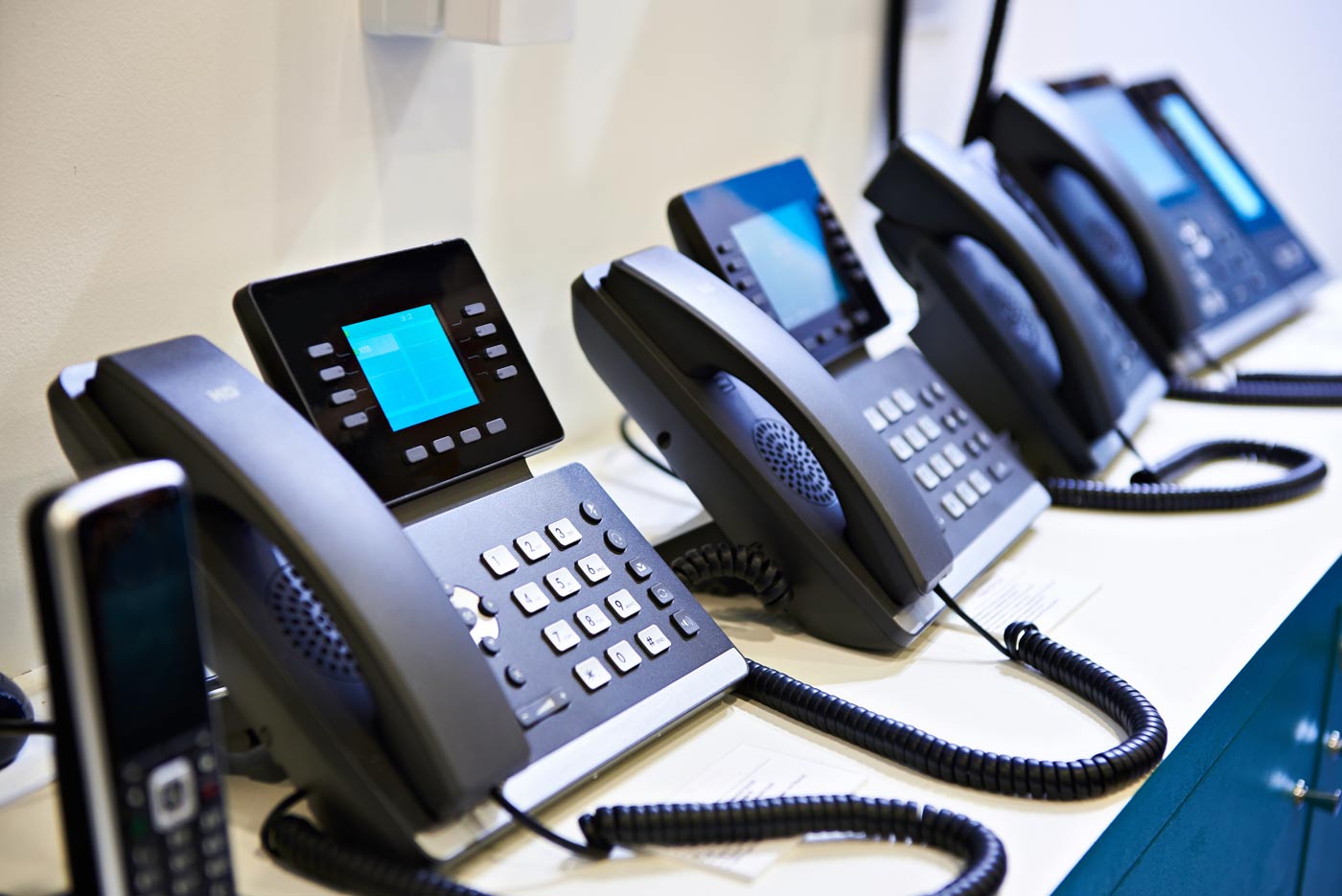
Ring Groups
One inbound call rings multiple people at once. The first to answer gets it.
A ring group assigns multiple extensions to a single inbound call destination. When a call arrives for that group, every extension in the group rings simultaneously or in a defined sequence until someone answers. If no one answers within the configured ring time, the call follows a fallback rule such as routing to voicemail, an auto-attendant, or another ring group. Ring groups are included in every Loop Communications hosted VoIP plan, are fully managed by Loop, and are one of the most fundamental tools for making sure inbound calls reach a live person.
What Ring Groups Do for Your Clients
A single extension rings one person. A ring group rings a team. For any business where inbound calls need to be answered quickly and the responsibility for answering is shared across multiple people, ring groups are how that gets managed without a dedicated receptionist fielding every call. Sales teams, support teams, scheduling lines, and general office lines are all common ring group configurations. The goal is the same in every case: make sure the call reaches someone rather than going to voicemail because the one person it rang was busy.
Common ring group configurations for business clients:
- Sales teams where any available salesperson can answer an inbound lead call without the caller waiting for a specific individual
- Support or service lines where the first available technician or representative handles the call regardless of who it lands on
- Scheduling and appointment lines for healthcare, legal, or professional services practices where any front desk staff member can handle the booking
- General office lines where a small team shares inbound call coverage and the first person to pick up handles the caller
- After-hours on-call groups where a subset of staff are designated to receive calls during evenings or weekends
- Multi-location businesses where calls to a shared number ring staff across two or more office sites simultaneously
How Ring Groups Work on the Loop Platform
Loop configures ring groups during onboarding based on how the client’s team is structured and how they want calls handled. Each group is assigned a number or an auto-attendant destination. When a call arrives, it rings the configured extensions according to the ring strategy selected. If the call goes unanswered within the maximum ring time, it follows the fallback destination configured for that group. All of this is managed by Loop and updated whenever the client’s team or coverage structure changes.
Ring group settings Loop configures:
- Ring strategy: Simultaneous ringing calls all extensions in the group at the same time and the first to answer gets the call. Sequential ringing calls extensions one at a time in a defined order until someone answers.
- Maximum ring time: The number of seconds the group rings before the call moves to the fallback destination. This is set per group based on the client’s preference for how long callers should wait before being rerouted.
- Extension list: Any mix of desk phones, softphones, virtual extensions, and mobile numbers can be included in a ring group. Remote and field staff participate the same way as office-based staff.
- Fallback destination: What happens when no one in the group answers within the ring time. Options include routing to a shared voicemail, returning to the auto-attendant, forwarding to another ring group, or routing to a specific extension or external number.
Ring Groups and the Features That Work With Them
Ring groups sit at the center of most inbound call flows. They work alongside routing and availability features to make sure calls are handled correctly whether the team is available, partially available, or completely unavailable.
Features that pair naturally with ring groups:
- Auto-Attendant and IVR: Routes callers to the appropriate ring group based on the menu option they select, such as press one for sales to route to the sales ring group.
- Time of Day Routing: Activates a ring group during business hours and switches to a voicemail or on-call group after hours automatically without anyone manually changing a setting.
- Busy Lamp Field: Shows desk phone users which colleagues in their ring group are already on a call so they have context when a new call is about to land on them.
- Virtual Extensions: Includes remote and mobile employees in a ring group without adding desk phones. The mobile number rings alongside the office extensions when a call arrives.
- Call Queues: When a ring group cannot absorb all inbound volume, a call queue holds overflow callers with music and position announcements until a group member is available.
Frequently Asked Questions
What is the difference between a ring group and a call queue?
A ring group rings all members simultaneously or in sequence and the first to answer gets the call. If no one answers within the ring time, the call follows a fallback rule and the caller is not held waiting. A call queue holds callers in a waiting line with music and position announcements until an agent becomes available. Ring groups are better for teams where calls should be answered quickly or not at all. Call queues are better for high-volume environments where callers are expected to wait.
Can a ring group include mobile phones or remote workers?
Yes. Any extension on the Loop platform, including virtual extensions assigned to mobile phones, can be added to a ring group. Remote employees and field staff ring alongside office-based staff when a call arrives for the group. Loop configures this during onboarding and updates the member list whenever the team changes.
What happens if nobody in the ring group answers?
Calls that go unanswered within the configured ring time follow the fallback rule set for that group. The fallback can route to a shared voicemail, return to the main auto-attendant, forward to another ring group, or go to a specific extension or external number. Loop configures the fallback during setup and updates it whenever the client’s needs change.
Can different departments have their own separate ring groups?
Yes. Clients can have as many ring groups as their team structure requires. A sales group, a support group, a scheduling group, and a general office group can all exist on the same account with different members, different ring strategies, and different fallback rules. Loop manages each group independently.
Can ring group membership change when someone is out of the office?
Yes. Ring group membership can be updated at any time by contacting Loop’s US-based support team. For businesses where coverage changes frequently, Loop can discuss options for managing temporary membership adjustments. Individual users can also use Do Not Disturb to temporarily stop receiving ring group calls without being removed from the group permanently.
Is there a limit to how many extensions can be in a ring group?
No practical limit applies for standard business deployments. Loop can configure ring groups with as many members as the client’s team requires. If a large group’s call volume exceeds what ring groups can handle efficiently, Loop can discuss call queue configuration as a complement or alternative.
Inbound Calls Should Ring a Team, Not Just One Person Who Might Be Busy.
The single biggest source of missed calls in a small business is a phone system that routes everything to one extension. If that person is on a call, the caller gets voicemail. Ring groups fix this by distributing inbound calls across the people who can actually answer them. The result is fewer missed calls, faster answer times, and a phone system that behaves like the team it supports.
No contracts. No commitment. Just a conversation.