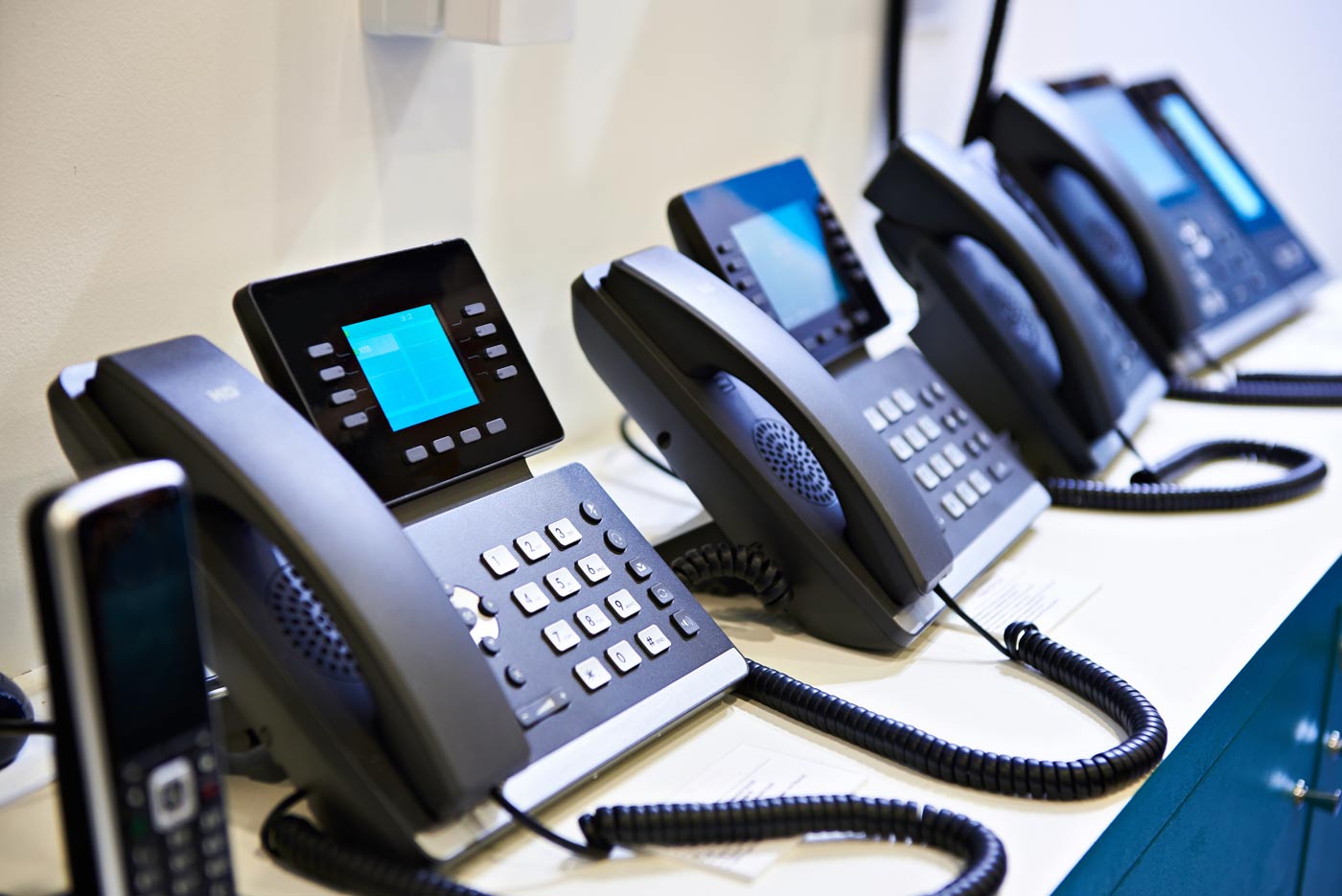
3-Way Calling
Add a third party to any call, on the spot, without scheduling anything.
3-way calling lets any user on the Loop platform add a third person to a live phone conversation without ending the call, scheduling a conference bridge, or sending a meeting invite. The feature works from any desk phone or softphone on the system. When a situation calls for a quick second opinion, a subject matter expert, or a supervisor on the line, the user puts the original caller on hold, dials the third party, and merges the calls. All three parties are connected and the conversation continues. It is one of the most-used features on a business phone system and is included in every Loop hosted VoIP plan at no additional cost.
What 3-Way Calling Does for Your Clients
Business calls frequently reach a point where a second person needs to be involved. A customer service rep needs a supervisor. A salesperson needs a technical expert on the line to answer a specific question. An account manager needs to connect a client directly with a colleague to hand off a relationship. In each of these cases, scheduling a separate call or asking the customer to call back later creates friction and loses momentum. 3-way calling handles it in the moment, on the call already in progress.
Common business uses for 3-way calling:
- Customer service escalations where a supervisor needs to join an active call to resolve a situation directly
- Sales calls where a technical or product expert needs to answer a specific question while the customer is on the line
- Account management hand-offs where two employees and a client all need to be on the same call at the same time
- Internal calls where two team members need to bring in a third colleague for a quick decision without scheduling a meeting
- Support calls where a field technician needs to consult a back-office specialist while still on the line with the customer
- Any situation where waiting to schedule a follow-up call would cost time, momentum, or the customer’s confidence
How 3-Way Calling Works on the Loop Platform
3-way calling is initiated from a live call. The user places the existing caller on hold, dials the third party from the same phone, and merges the two calls once the third party answers. All three parties are then connected in a single conversation. The process works from any Yealink desk phone or softphone on the Loop system and does not require any setup beyond the standard platform configuration. There is no separate feature to activate and no conference bridge code to manage.
The steps to initiate a 3-way call:
- While on an active call, place the existing caller on hold using the hold button on the desk phone or softphone
- Dial the third party’s number, whether an internal extension or an external number
- Once the third party answers, merge the calls using the conference function on the phone
- All three parties are connected and can hear and speak to each other simultaneously
- If the third party does not answer, return to the original caller by disconnecting the new call attempt and taking the first caller off hold
3-Way Calling and Related Conference Features
3-way calling is the right tool for spontaneous three-person conversations that start from a live call. For clients who need to bring together larger groups or schedule recurring multi-party calls in advance, Loop also offers a conference bridge. Both are included in the platform and serve different needs. Understanding which one fits a given situation helps clients use the system more effectively.
How 3-way calling compares to conference bridge:
- 3-way calling: Best for unplanned three-person conversations that grow from an active call. No dial-in codes, no scheduling, no setup. Works in the moment from any phone on the system.
- Conference Bridge: Best for planned multi-party calls with more than three participants. Provides a dedicated dial-in number and PIN so participants can join from anywhere at a scheduled time.
- Call Transfer: If the goal is to hand the caller off to someone else entirely rather than bring them all onto one call, call transfer is the better option. All three features are included in the Loop platform.
Frequently Asked Questions
How many people can be on a 3-way call?
As the name indicates, 3-way calling supports three parties on a single call. For meetings that require more than three participants, Loop’s conference bridge feature provides a dedicated dial-in number that can accommodate larger groups. Both features are included in every Loop hosted VoIP plan.
Does 3-way calling work from the Loop mobile app?
3-way calling is available from desk phones and softphones on the Loop platform. Clients using the Loop mobile app or desktop softphone should verify functionality with Loop’s support team for their specific device and configuration, as behavior can vary by application version.
Can a 3-way call include an external number, not just internal extensions?
Yes. The third party in a 3-way call can be any phone number, including external mobile numbers, landlines, or numbers outside the business phone system entirely. The call is not limited to internal extensions.
What happens if the third party does not answer when initiating a 3-way call?
If the third party does not answer, the user simply disconnects the unanswered call attempt and returns to the original caller who has been placed on hold. The original call is still active and waiting. The user takes the first caller off hold and the conversation continues.
Is there a cost per 3-way call or per minute?
No. 3-way calling is included in every Loop hosted VoIP plan at no additional charge. Loop’s pricing is flat-rate per seat with unlimited domestic calling. 3-way calling does not trigger additional per-call or per-minute fees.
Is 3-way calling the same as a conference call?
They accomplish similar goals but work differently. 3-way calling is an ad hoc feature initiated from a live call that connects exactly three people without any setup. A conference call typically refers to a scheduled multi-party call using a dedicated conference bridge with a dial-in number and access code that participants use to join. For spontaneous three-person conversations, 3-way calling is faster and simpler. For planned multi-party meetings, the conference bridge is the better tool.
Can 3-way calling be used to merge two incoming calls?
3-way calling is typically initiated by the user who places one party on hold and dials a third party to merge. The ability to merge two separate incoming calls depends on the specific desk phone model and how the feature is activated. Loop’s US-based support team can walk through the exact steps for the Yealink hardware deployed on a given account.
Some Calls Just Need a Third Person. This Gets Them on the Line in Seconds.
The situations that require a third person on a call are rarely scheduled. A customer escalates. A sales call goes technical. An account hand-off needs to happen right now. 3-way calling handles these moments without requiring anyone to hang up, schedule a new call, or explain the situation from the beginning. It is built into every extension and takes about ten seconds to use.
No contracts. No commitment. Just a conversation.